
Renewable Energy Surveying: Shaping Victoria's Clean Energy Future
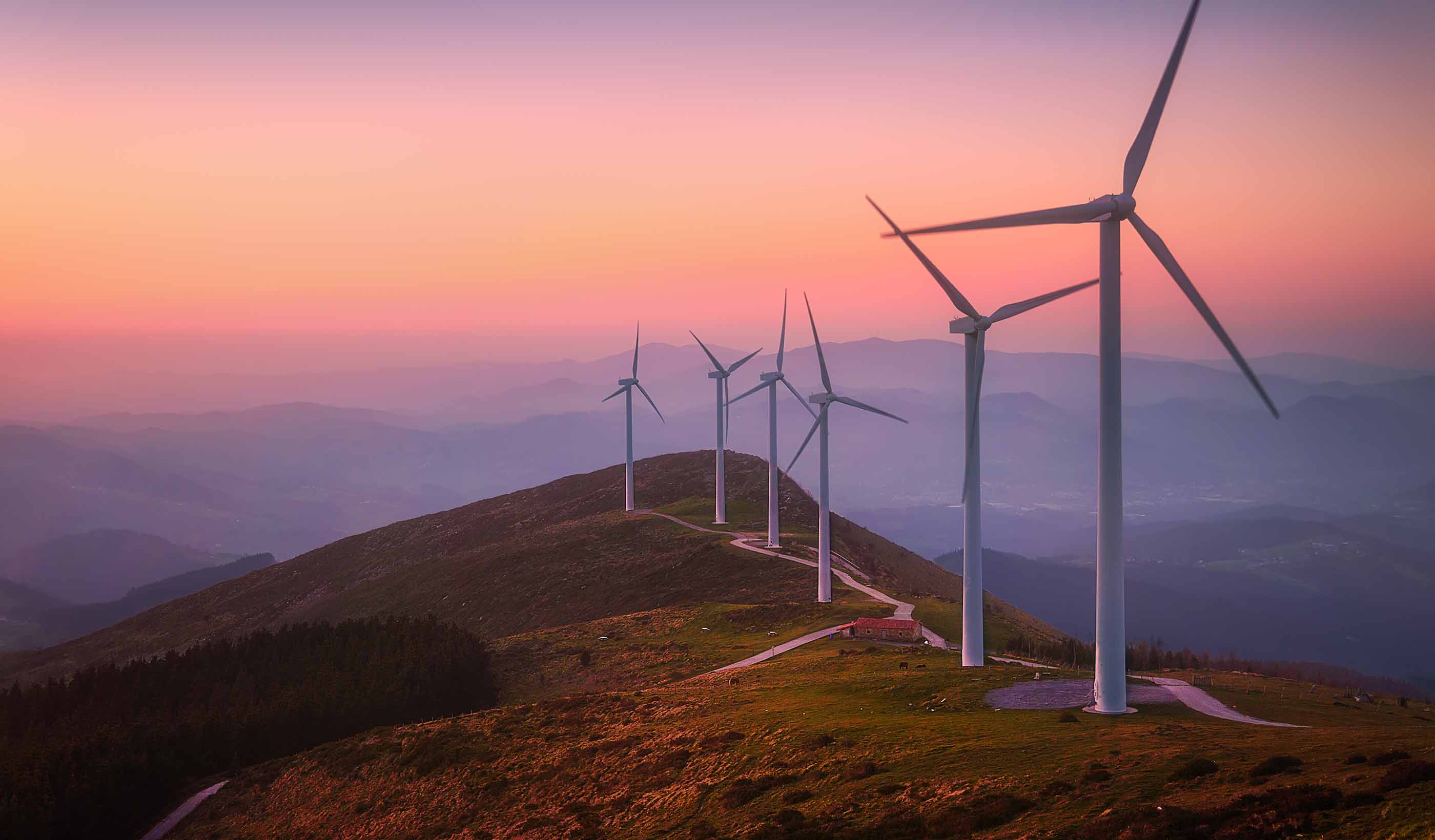
When we look at the current state of Victoria’s renewable energy, we can observe a situation of transformative change. The project that leads the transformation in the area is the Golden Plains Wind Farm, which alone makes up 60.6% of Victoria’s total renewable energy construction pipeline. This is not simply a building site but a demonstration of the tremendous progress that surveying technology and proficiency have made so as to deal with modern renewable energy development challenges.
The Scale of Modern Renewable Projects
The statistics indicate an interesting narrative. Currently, Victoria’s renewable energy construction pipeline is home to 2,199 MW of projects that are ongoing under active development. Among the class of these projects, the dominant one is wind energy comprising 1,967 MW of capacity building while it is joined by 232 MW of solar energy projects and 1,115 MW of energy storage systems.
Precision in Every Detail
Modern Surveying Challenges
The precision requirements of today’s renewable energy projects are so high that such capability would have sounded far-fetched just a decade ago. Take, for example, the wind turbine foundation that must be positioned with an error of just a few millimeters, while considering:
- Complex topographical variations
- Environmental buffer requirements
- Increased precision in pre-fabrication of structural elements, requiring increased precision in the setout of foundational interfaces
- Increased focus on better quality assurance practices and as-constructed datasets
Technology Meeting Innovation
The tools and techniques we use have also evolved significantly:
- Advanced LiDAR systems capture intricate terrain details
- UAV/Drone photogrammetry provides comprehensive site visualization and modelling
- Real-time kinematic positioning ensures absolute accuracy
- Terrestrial 3D Scanning ensuring efficient structural infrastructure placement
Victoria’s Renewable Energy Momentum
The state’s commitment to renewable energy is creating unprecedented opportunities. With projects like Golden Plains Wind Farm leading the way, we’re seeing:
- Sophisticated engineering challenges being overcome
- New standards in surveying precision being established
- Environmental considerations being carefully balanced
- Local communities benefiting from sustainable development
Looking to the Future
As Victoria progresses toward its 95% renewable energy target by 2035, the role of precise surveying becomes increasingly crucial. The success of large-scale renewable projects depends on the perfect integration of technical expertise, advanced technology, and local knowledge.
Impact and Opportunity
The renewable energy sector is reshaping Victoria’s economic and environmental landscape. Each project contributes to:
- Enhanced grid stability
- Reduced carbon emissions
- Regional economic growth
- Sustainable infrastructure development
For a closer look at how our renewable energy surveying team supports wind, solar and battery storage projects across Australia, visit our renewable energy surveying service page.
Survey Types Across Solar and Wind Projects
Renewable energy projects run on the same survey sequence as any large infrastructure job, but the scale and the geography make each stage distinctive. The survey types a solar or wind developer will typically commission:
| Survey type | What it covers | When it happens |
|---|---|---|
| Land assessment | Terrain, drainage, constraints, access, slope and orientation of the land for project siting | Feasibility and site selection |
| Cadastral and site survey | Title boundaries, easements and legal land description across the project footprint | Before leases, easements or approvals |
| Geotechnical access survey | Existing access tracks, haul roads and ground conditions for heavy equipment delivery | During design, before construction |
| Construction set-out | Turbine foundations, tower bases, tracker rows, pile lines, roads and infrastructure placed on site | Throughout construction |
| As-built survey | Record of what was built for handover, certification and asset management | As works complete |
The set-out stage deserves emphasis. A wind turbine foundation must sit within a few millimetres of design because the tower sections, bolts and transition pieces are fabricated to tight tolerances — a foundation that drifts out of position cannot simply be shaved into place. Solar farms have the same discipline across thousands of piles and tracker rows, where cumulative error is the enemy: small shifts pile up across a site measured in hundreds of hectares.
Renewable Energy Surveying Across Australia
Australia’s renewable build is a national program, and each state brings different survey demands. Wind development concentrates in strong-wind zones — Victoria’s coastline and western districts, South Australia, Tasmania and Western Australia — where turbine sites combine difficult terrain, steep grades and long access corridors. Large solar farms cluster in Queensland, New South Wales and Victoria’s north-west, where the challenge is the sheer footprint: site control, terrain modelling and machine-readable data across areas that can exceed 1,000 hectares.
Federal and state planning adds the compliance layer. Renewable Energy Zones (REZ), environmental buffers, heritage constraints and native vegetation protections all need surveyed evidence, and asset owners increasingly require survey-grade as-built data at handover, often in the same ADAC or A-SPEC formats councils use for civil assets. Surveyors working on these projects tie everything to the national datum (GDA2020/MGA and AHD) so design, construction and asset systems speak the same coordinates.
A typical large solar farm workflow looks like this: terrain mapping and land assessment at feasibility, control network and cadastral confirmation during approvals, geotechnical and access surveys at design, set-out of tracker rows, piles and inverters during construction, and as-built capture with asset data at handover. A wind project adds turbine pad set-out, tower foundation checks and blade-delivery route verification, but the sequence is the same.
Frequently Asked Questions
What land assessment do solar and wind projects need?
Developers need a professional land assessment covering terrain, slope, drainage, access and constraints before committing to a site. The survey confirms the land can physically support the layout — panels, turbine pads, roads and infrastructure — at the grade and position the design assumes.
What is a renewable energy set-out survey?
A renewable energy set-out survey places the approved design on site: turbine foundations, tower bases, tracker rows, pile lines, access roads and electrical infrastructure. Set-out tolerances run to millimetres on turbine foundations and to tight, repeatable positions across solar arrays.
Why do renewable projects need as-built surveys?
As-built surveys record what was actually built for certification, handover and asset management. Asset owners and receiving authorities use the records to confirm construction matches approval conditions and to maintain the plant over decades of operation.
What is a geotechnical access survey for renewable projects?
A geotechnical access survey maps existing tracks, haul roads and ground conditions for moving heavy equipment — turbine components, blade delivery vehicles and crane pads. It tells the design and logistics teams which routes work, where upgrades are needed and where ground conditions are risky.
How accurate does renewable energy surveying need to be?
Terrain and land assessment work can run at centimetre level; turbine foundation set-out is a millimetre task. Solar pile and tracker set-out sits between the two, tight and highly repeatable across large areas. The tolerance is set by the equipment design and the fabrication tolerances of the components being installed.
Do you survey wind and solar projects outside Victoria?
Yes. Our renewable energy surveying team supports wind, solar and battery storage projects across Australia, with the site survey, control, set-out and as-built capability drawn from our offices in each state. See our renewable energy surveying page for the full service scope.
Conclusion
The future of renewable energy surveying in Victoria is both challenging and exciting. As projects grow in scale and complexity, the need for precise, reliable surveying expertise becomes ever more critical. Through continued innovation and dedication to precision, we’re helping build a sustainable energy future for Victoria.
Ready to start your next project? Contact HR Surveyors specialists today to discuss your requirements and ensure precision delivery for your construction needs.